Hybrid events are no longer an experimental format or a temporary solution — they are rapidly becoming the standard for conferences, corporate meetings, training programs, and large-scale communications. As we move deeper into 2026, organizations are rethinking how events are delivered, experienced, and measured. The shift is not just about adding a livestream to a physical event. It’s about designing a fully integrated experience that serves both in-person and virtual audiences equally.
At the center of this evolution are powerful hybrid event platforms and production partners capable of blending the physical and digital worlds into one cohesive environment. Providers are helping organizations expand reach, improve engagement, and create flexible, scalable experiences that meet modern expectations.
In this article, we’ll explore the emerging trends shaping hybrid events in 2026, how virtual platforms are adapting to support them, and why hybrid formats are quickly becoming the preferred approach for companies planning conferences, product launches, training sessions, and corporate communications.
The Rise of Hybrid as the Default Event Model
A hybrid event combines an in-person experience with a fully integrated virtual component, allowing audiences to participate from anywhere while still preserving the energy and connection of a live gathering.
But in 2026, hybrid events are no longer just about convenience. They’re about strategy.
Organizations are choosing hybrid because it allows them to:
- Reach global audiences without travel barriers
- Extend event life through recorded content
- Increase accessibility and inclusion
- Gather richer data and analytics
- Create multiple layers of engagement
Hybrid events remove geographic limitations and allow more people to attend in the format that works best for them, expanding participation and engagement opportunities.
For companies hosting conferences or internal meetings, this flexibility has become essential.
Trend #1: Immersive Hybrid Networking Experiences
One of the biggest changes in 2026 is the move away from passive viewing toward active participation. Hybrid events are no longer “watching a stream.” They’re becoming environments where virtual and in-person attendees interact meaningfully.
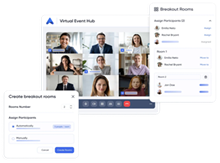
Modern platforms now support:
- Virtual networking lounges
- Live chat and breakout rooms
- Digital exhibitor booths
- AI-powered matchmaking
- Interactive session participation
Virtual networking tools replicate the spontaneous connections that happen in hallways and coffee breaks at physical events, allowing remote attendees to engage and build relationships in real time.
Hybrid event platforms also create interactive environments with video, polls, social features, and content sharing that deepen engagement and reinforce brand messaging. The result: remote participants no longer feel like second-class attendees.
Trend #2: AI-Driven Personalization
Artificial intelligence is rapidly transforming the way events are planned and experienced.
In 2026, AI is moving from a novelty feature to an operational necessity. Many event professionals report that AI tools have already improved planning efficiency and attendee experience.
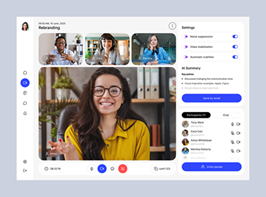
AI is now being used to:
- Recommend sessions based on interests
- Suggest networking connections
- Customize agendas in real time
- Provide smart content delivery
- Analyze attendee behavior and engagement
Personalization is becoming attendee-led, meaning participants shape their own experience based on preferences and activity.
For hybrid events, this is especially powerful. Virtual platforms can tailor content and engagement for remote participants while onsite teams deliver a high-touch physical experience.
Trend #3: Global Accessibility and Reach
Hybrid events unlock participation on a global scale.
Organizations can now host:
• Worldwide town halls
• Global product launches
• International training programs
• Investor events with remote stakeholders
Hybrid formats make it possible to connect with audiences who cannot travel due to cost, time, or geography.
At the same time, modern platforms support:
• Multi-language captions
• Accessibility tools
• On-demand replay
• Mobile participation
This expanded accessibility is one of the strongest reasons hybrid is becoming the default for large organizations.
Trend #4: Data-Driven Event Strategy
In 2026, events are no longer measured by attendance alone. They are measured by impact.
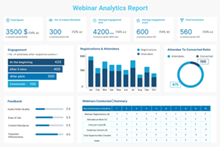
Companies now expect detailed insights into:
- Engagement levels
- Session popularity
- Audience behavior
- Networking interactions
- Content consumption
Data-driven decision making is becoming a core event strategy, with centralized analytics providing a 360° view of the attendee experience.
Hybrid platforms are uniquely positioned to capture this data, since they track both digital engagement and in-person participation.
Trend #5: The Evolution of the Hybrid Experience
Early hybrid events were often just live streams added to physical conferences. That approach no longer works.
A true hybrid event in 2026 is designed as a unified experience, with separate but equally valuable journeys for in-person and virtual audiences.
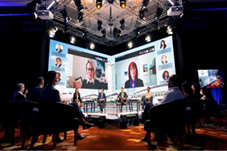
This means:
- Content designed specifically for each audience
- Interactive sessions tailored to participation styles
- Equal access to speakers and discussions
- Cohesive branding across physical and digital environments
Organizations that treat hybrid as a strategic format — not an add-on — see significantly stronger engagement and ROI.
How Virtual Platforms Are Adapting
The rapid growth of hybrid events has pushed technology providers to innovate quickly. Today’s platforms support:
Scalability
Modern infrastructure can handle tens of thousands of concurrent participants without performance issues.
Security
End-to-end encryption, secure authentication, and controlled access protect sensitive communications.
Engagement Tools
Features like moderated Q&A, polling, and breakout rooms keep audiences involved.
Interactive Environments
Digital spaces allow participants to explore content, connect with others, and interact with brands.
These capabilities are helping organizations host complex, large-scale events without relying heavily on internal IT teams.
Why Hybrid Events Are Becoming the Default
There’s a growing realization across industries: hybrid events deliver the best of both worlds.
They combine:
- The energy of in-person interaction
- The reach of virtual platforms
- The flexibility of on-demand content
- The intelligence of data-driven insights
For companies hosting conferences, hybrid allows them to maximize attendance while maintaining meaningful connections.
For internal meetings, hybrid ensures that remote employees feel equally included.
For product launches and corporate announcements, hybrid creates a broader, more impactful audience experience.e.
The Strategic Role of Production Partners
As hybrid events become more sophisticated, execution is becoming more complex. It’s no longer just about choosing a platform. It’s about coordinating production, technology, and engagement.
Hybrid event platforms support organizations by delivering:
- Hybrid event planning and production
- Interactive virtual environments
- Live and pre-produced content integration
- Audience engagement tools
- Scalable infrastructure
They combine live, virtual, and interactive experiences to expand reach and increase participation.
This kind of support is especially important for enterprise events where reliability, security, and brand experience are critical.
The Future of Hybrid in Corporate Communications
Hybrid events are no longer just for conferences. They are now used for:
- Executive town halls
- Leadership updates
- Training and onboarding
- Investor communications
- Product announcements
As workforces become more distributed, hybrid formats ensure consistent communication across locations.
They also allow companies to maintain continuity during disruptions, travel restrictions, or scheduling challenges.
Final Thoughts
In 2026, hybrid events are evolving from a trend into a foundational communication strategy.

Organizations are embracing them not just for flexibility, but for their ability to deliver:
- Personalized experiences
- Global reach
- Data-driven insights
- Stronger engagement
- Scalable communication
With immersive networking, AI-driven personalization, and accessible participation models leading the way, hybrid formats are redefining how businesses connect with employees, customers, and stakeholders. And with the support of experienced execution partners and advanced virtual platforms, companies can create hybrid events that are not only effective — but unforgettable. Contact Us today to plan your next event.
