As we move deeper into Q1 2026, one thing is becoming increasingly clear:
The virtual communication industry is no longer evolving.
It has matured.
What was once considered optional infrastructure — webcasts, operator-assisted calls, hybrid investor events, high-touch virtual meetings — is now embedded directly into how organizations operate.
This shift isn’t being driven by flashy new technology.
It’s being driven by rising expectations.
Audiences are more remote. Teams are leaner. Stakes are higher. And tolerance for confusion is lower than ever.
From investor relations to legal proceedings, healthcare briefings to corporate all-hands, the way organizations communicate externally is becoming more operational, more regulated, and more critical.
Here are three major trends I’m seeing so far in Q1 2026, and why they matter.
Trend #1: Virtual Events Are Becoming Operational Infrastructure — Not Marketing Experiments
A few years ago, virtual events were often treated like a temporary solution.
A pandemic workaround.
A digital substitute.
A short-term pivot.
But in 2026, that framing is outdated.
Virtual events are now part of core business execution.
They sit alongside financial reporting, regulatory compliance, customer communications, and leadership visibility.
Organizations aren’t asking:
“What platform should we use?”
They’re asking:
“Who is accountable when this needs to go perfectly?”
Because more often than not, the event isn’t the hardest part.
Execution is.
When the audience includes shareholders, employees, regulators, or high-value partners, reliability matters more than novelty.
That’s why more teams are investing in structured support models, including:
- Live moderation
- Audience management
- Speaker coordination
- Backup access channels
- Operator-assisted control
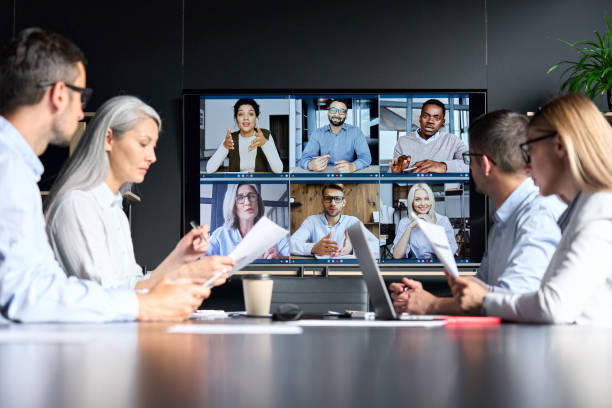
If your organization is hosting any form of public-facing or high-stakes event, having repeatable structure is no longer optional.
Learn more here: How to Set Up a Virtual EventTrend #2: The Operator Layer Is Quietly Making the Biggest Difference
One of the most overlooked changes happening in this industry is the renewed importance of human support.
Technology keeps improving.
Platforms are faster. Interfaces are cleaner. AI tools are everywhere.
But ironically…
The more advanced the tools become, the more people expect events to feel effortless.
That’s where operator-assisted execution comes in.
In high-visibility environments, organizations don’t want to rely on “hope it works.”
They want:
- A real person monitoring the live flow
- Someone managing the Q&A queue
- A trained operator handling participant issues
- Moderation that protects professionalism
- Support teams that can react instantly
This is especially true in industries like:
- Investor Relations
- Financial Services
- Legal and Compliance
- Healthcare and Pharmaceuticals
- Government and Public Sector
- Corporate Communications
Even the best platforms still require operational accountability.
That’s why operator-assisted conferencing is seeing a major resurgence in 2026, not as an old-school service, but as the execution layer modern teams depend on.

Trend #3: Hybrid Communication Models Are Now the Default
Perhaps the biggest industry shift in Q1 2026 is this:
It’s no longer webcast or conference call.
It’s both.
Hybrid formats are now the standard.
Organizations want flexibility for every attendee type:
- Those who want full video and slides
- Those who prefer audio-only access
- Participants dialing in globally
- Stakeholders joining from secure environments
- Audiences who need accessibility options
This is especially common in:
- Earnings calls
- Equity research presentations
- Regulatory updates
- Medical briefings
- Corporate shareholder meetings
A webcast alone may be visually strong…
But adding a managed call component improves access, stability, and participation dramatically.
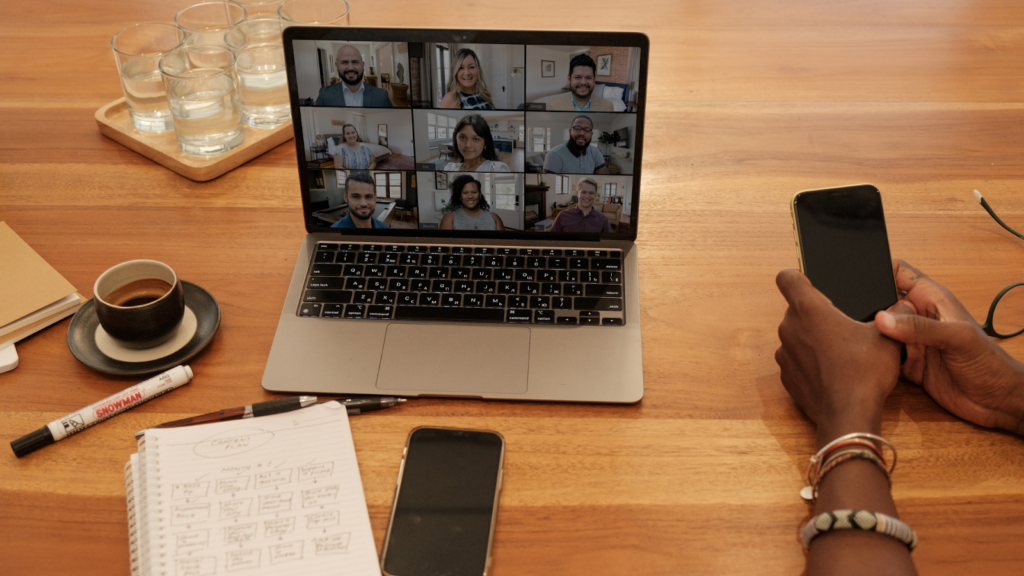
That’s why more organizations are building communication strategies that combine: ✅ Webcast presentation
✅ Operator-assisted audio access
✅ Live Q&A moderation
✅ Replay, recording, and archival tools
Why These Trends Matter Going Forward
These three trends point to one larger takeaway:
Virtual communication is no longer about tools.
It’s about execution.
In 2026, organizations are being judged not just on what they present…
…but on how professionally they deliver it.
And that delivery requires more than a platform login.
It requires planning, structure, and support.
Whether you’re hosting:
- A quarterly investor update
- A compliance-driven briefing
- A leadership communications call
- A public-facing webcast
- A high-stakes legal session
The question becomes:
Who is ensuring this runs smoothly in real time?
A Reliable Support Partner for the Modern Communication Era
We support organizations that need their events to feel effortless — even when the stakes are high.
Our services include:
- Operator-assisted conference calls
- Fully managed virtual events
- Integrated webcasts with live operator access
- High-touch moderation for regulated industries
- Custom workflows aligned to your team
If you’re planning your next quarterly call or event, we’d be happy to ensure it runs with clarity, professionalism, and confidence.
Contact us here: Contact Technologies4YouLooking Ahead to Q2 2026
This is only the beginning.
As teams run leaner, audiences become more distributed, and expectations rise…
The difference between a “virtual meeting” and a professionally executed event will continue to widen.
In the next post in this quarterly series, we’ll explore what’s changing in:
- Audience engagement
- Event security
- AI-assisted moderation
- The future of investor communications
Stay tuned.
Because in 2026…
Event support isn’t an add-on.
It’s infrastructure.
Related Technologies4You Resources
• Operator Assisted Calls • Virtual Events • Webcasts • Virtual Event Setup Guide • Webcast Setup Guide • Contact Us