Hybrid events are now the default format for conferences, corporate meetings, and executive communications. In 2026, organizations expect hybrid events to deliver seamless in-person and virtual engagement — not simply a livestream of a physical room.
Whether you’re planning a leadership summit, training program, product launch, or multi-day conference, this comprehensive Hybrid Event Planning Checklist will guide you through strategy, technology, execution, and post-event measurement.
If you’re new to hybrid strategy, you may also want to review our guide on Hybrid Events in 2026: Emerging Trends and How Virtual Platforms Are Adapting for additional context.
Section 1: Strategy & Audience Alignment
Before selecting a venue or platform, clarify your objectives.
Define:
- Target audience (internal, customer, investor, partner)
- Desired engagement outcomes
- KPIs (attendance rate, interaction rate, networking matches)
- Geographic distribution

Hybrid event strategy works best when aligned with engagement planning. If you’re designing interactive components, see our blog on The Ultimate Guide to Planning Engaging Hybrid Breakout Sessions and Networking for deeper breakout strategy.
For technical planning support, explore:
👉 Virtual Event Hosting
Section 2: Event Design & Agenda Structure
Hybrid agendas should balance energy across both environments.
Checklist:
- Welcome & orientation
- Keynotes
- Breakouts
- Networking blocks
- Polls & Q&A
- Closing recap
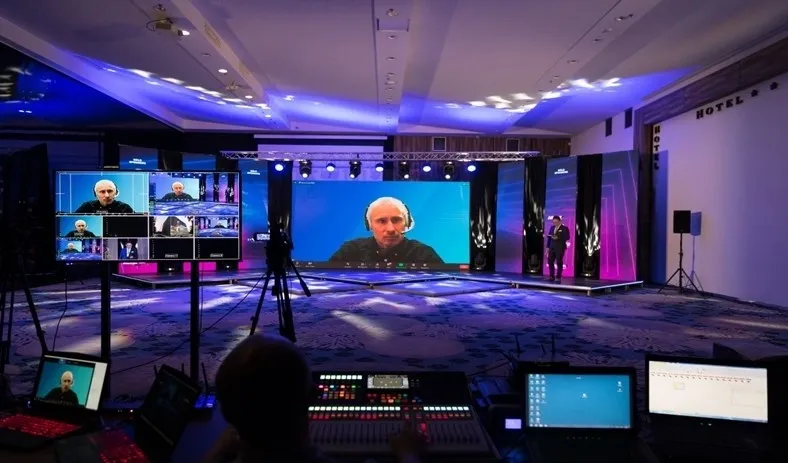
Avoid clustering engagement at the end — distribute it throughout.
For larger-scale audience delivery, review:
Section 3: Hybrid Technology & Platform Selection
Choose a hybrid event platform like ours that supports:
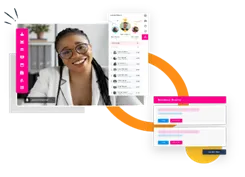
- Breakout rooms
- Live polling
- Moderated Q&A
- Chat controls
- Recording & replay
- Analytics dashboards
If your event includes structured moderation or executive-level communication, integrate:
👉 Operator-Assisted Conferencing
For platform oversight:
Section 4: Moderation & Facilitation Planning
Assign roles:
- Main stage host
- Virtual producer
- Breakout moderators
- Chat/Q&A managers
- Technical support
Hybrid events require coordination beyond typical in-person meetings.


If you’re building internal hybrid capabilities, our blog on Virtual Event Technology: What Platforms and Tools Do Businesses Really Need? provides additional guidance.
Section 5: Breakouts & Networking Design
Breakout checklist:
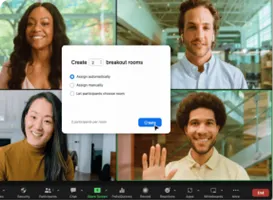
- 4–6 participants per room
- Clear prompts
- Assigned facilitators
- Shared digital collaboration tools
- Timeboxing
Networking checklist:
- Speed networking rounds
- Topic-based matching
- Gamification elements
- Follow-up connection tools
For deeper execution planning, revisit:
👉 Hybrid Breakout Sessions Guide
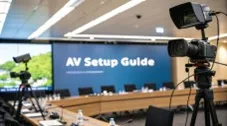
Section 6: Rehearsal & Technical Testing
Rehearse everything.
- Platform login
- Audio checks
- Breakout transitions
- Poll launches
- Moderator signals
- Screen sharing
- Internet redundancy
Never assume functionality — test it.
Section 7: Live Event Execution
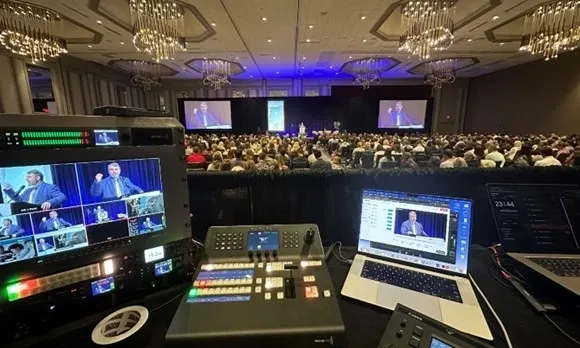
Day-of checklist:
- 2-hour startup review
- Moderator sync call
- Welcome screen active
- Engagement cues timed
- Backup communication plan
Execution quality determines perceived professionalism.
Section 8: Post-Event Measurement & Optimization
Measure:
- Attendance %
- Engagement metrics
- Breakout activity
- Networking conversions
- Drop-off points
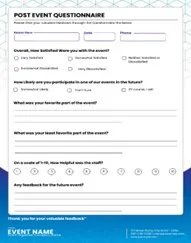
- Survey results
Data strengthens future hybrid event strategy.
How We Support Hybrid Execution
Hybrid events combine technology, moderation, and continuity.
We provide:
✔ Virtual event oversight
✔ Structured breakout execution
✔ Webcast reliability
✔ Operator-assisted support
✔ Scalable hybrid production continuity
Explore:
🔹Virtual Events
🔹 Virtual Event Hosting
🔹 Operator-Assisted Conferencing
🔹 Webcasting
🔹 Contact
Free Hybrid Event Planning Checklist Download
📥 Download the printable 2026 Hybrid Event Planning Checklist.
Use it to streamline planning, reduce last-minute risk, and execute hybrid conferences confidently.