Hybrid events have become the preferred format for conferences, corporate meetings, and global communications in 2026. By combining in-person experiences with virtual participation, organizations can expand their reach, improve engagement, and create more flexible event environments.
However, hybrid events introduce complexities that traditional conferences or webinars do not. Managing two audiences simultaneously — onsite and remote — requires thoughtful planning, the right technology infrastructure, and experienced production oversight.
If you’re planning a hybrid conference, town hall, product launch, or training event, understanding potential challenges ahead of time can help prevent disruptions and ensure a seamless experience.
In this guide, we’ll explore the seven most common hybrid event challenges and how to solve them before they impact your event. For additional strategy context, you may also want to read our guide on Hybrid Event Planning Checklist: 2026 Edition.
Challenge 1: Uneven Engagement Between In-Person and Virtual Audiences
One of the biggest risks in hybrid events is that one audience feels secondary.
When engagement is focused solely on the room, virtual attendees may feel like passive observers. When the experience favors remote participants, the onsite audience may lose energy.
Solutions:
- Incorporate live polls that both audiences answer simultaneously
- Design hybrid Q&A sessions moderated for both audiences
- Use shared collaboration tools during breakout sessions
- Alternate between physical and virtual audience interaction
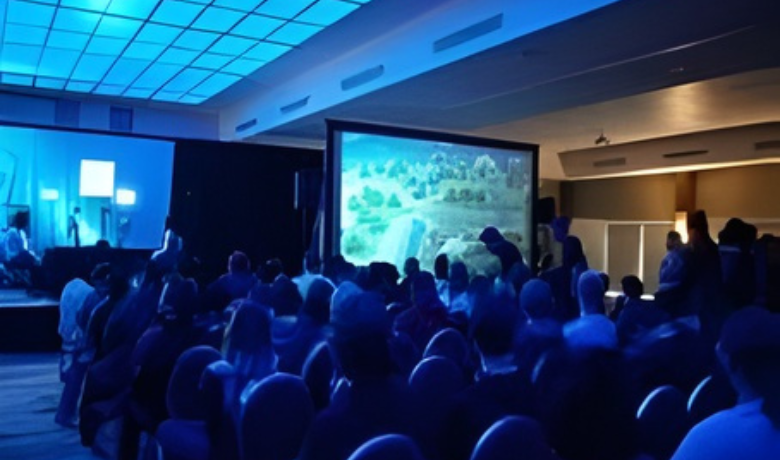
Balanced engagement should be built into the event design from the beginning.
For more engagement strategies, see our blog:
The Ultimate Guide to Planning Engaging Hybrid Breakout Sessions and Networking
Challenge 2: Technology Complexity
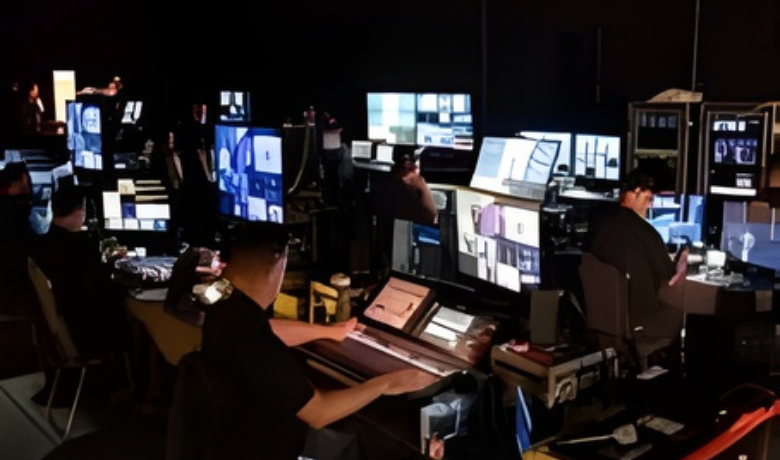
Hybrid events combine physical AV production with virtual event platforms, which increases technical complexity.
Technology layers may include:
- Streaming platforms
- Video conferencing systems
- Audio mixers and microphones
- Internet redundancy systems
- Engagement platforms
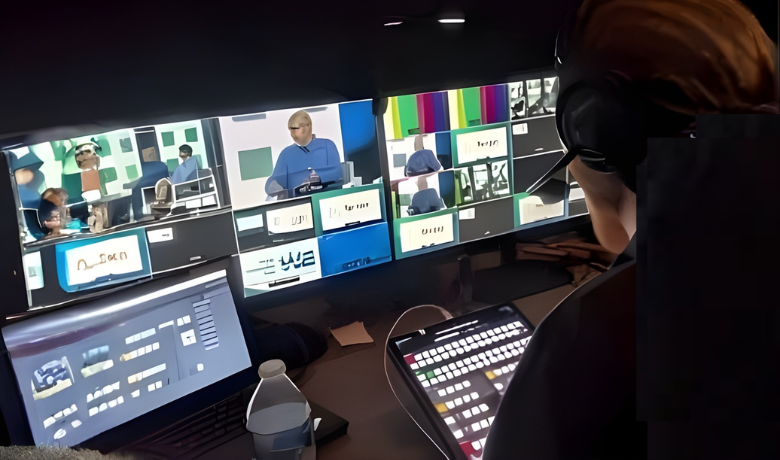
Without coordination, these components can conflict or fail.
Solutions:
- Maintain backup streaming options
- Work with a hybrid production provider experienced in integrating technology platforms
- Conduct full technical rehearsals
- Ensure wired internet connections for presenters
For organizations needing professional platform management, explore:
👉 Virtual Event Hosting
Challenge 3: Audio and Video Quality
Poor audio quality is the fastest way to lose virtual attendees. Unlike in-person events where attendees can hear speakers naturally, virtual audiences rely entirely on microphones and audio routing.
Common problems include:

- Echo or feedback
- Low microphone volume
- Unbalanced panel audio
- Camera framing issues
Solutions:
- Use professional audio mixing equipment
- Provide dedicated microphones for each speaker
- Assign a technician to monitor sound levels continuously
- Test camera positioning during rehearsal
Professional hybrid event suppliers manage these details during setup and live execution.
Challenge 4: Confusing Breakout Room Experiences
Breakout sessions often create confusion in hybrid environments.
Attendees may not know:
- Which breakout to join
- Whether rooms are mixed or separate
- How long sessions will last
- How to return to the main session
Without structure, breakout rooms quickly become unproductive.

Solutions:
- Provide clear instructions before transitions
- Where possible, use smaller groups (4–6 participants)
- Assign facilitators for each breakout room
- Display countdown timers for transitions
To learn more about structuring hybrid breakouts effectively, read:
The Ultimate Guide to Planning Engaging Hybrid Breakout Sessions and Networking
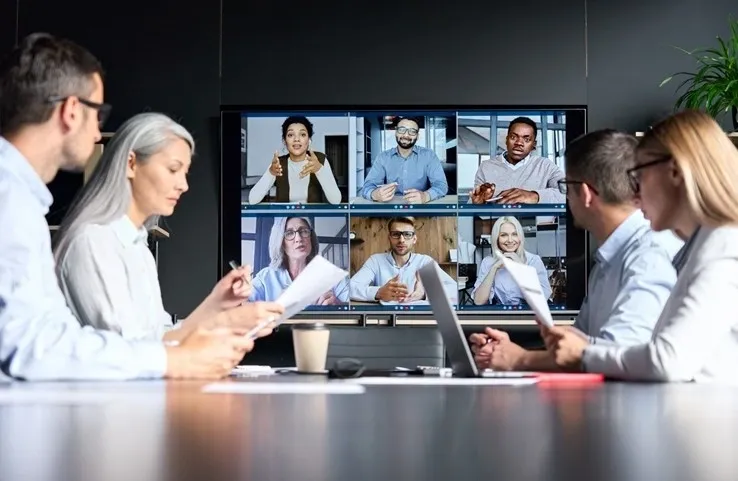
Challenge 5: Networking Limitations
Traditional networking often happens naturally in hallways and receptions. In hybrid events, those opportunities need to be designed intentionally. If networking is poorly structured, remote participants may disengage.
Solutions:
- Implement speed networking sessions
- Use topic-based breakout discussions
- Enable attendee matching tools
- Provide virtual networking lounges
Structured networking sessions typically produce more meaningful interactions than open networking periods.
Challenge 6: Managing Multiple Event Moderators
Hybrid events require multiple moderators:
- Main stage host
- Chat moderators
- Breakout facilitators
- Technical support staff
Without coordination, communication can become fragmented.
Solutions:
- Create a detailed run-of-show document
- Assign a lead producer responsible for coordination
- Establish backstage communication channels for moderators
- Conduct moderator rehearsals
Operator-assisted moderation can also improve structure for high-stakes events.Learn more:
👉 Operator-Assisted Conferencing
Challenge 7: Lack of Post-Event Analytics
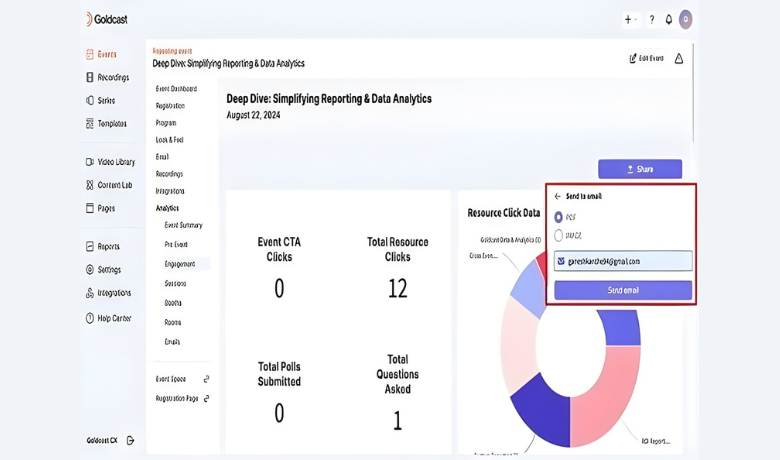
Hybrid events generate valuable engagement data — but many organizations fail to analyze it. Important metrics include:
- Attendance rate
- Breakout participation
- Poll engagement
- Networking connections
- Session popularity
Analyzing these insights helps refine future hybrid events.
For larger-scale events requiring reliable broadcast delivery and analytics integration, explore:
👉 Webcasting Services
How We Help Solve Hybrid Event Challenges
Hybrid events succeed when planning, technology, and production work together seamlessly. We supports hybrid event teams by providing:
✔ Operator-assisted moderation
✔ Virtual event hosting oversight
✔ Structured breakout facilitation
✔ Webcasting reliability
✔ Technical coordination across platforms
Explore more solutions:Virtual Events
Virtual Event Hosting
Operator-Assisted Conferencing
Webcasting
Contact
How We Support Hybrid Execution
Hybrid events combine technology, moderation, and continuity.
We provide:
✔ Virtual event oversight
✔ Structured breakout execution
✔ Webcast reliability
✔ Operator-assisted support
✔ Scalable hybrid production continuity
Explore:
🔹Virtual Events
🔹 Virtual Event Hosting
🔹 Operator-Assisted Conferencing
🔹 Webcasting
🔹 Contact
Final Thoughts:
Hybrid events are powerful, but they require thoughtful design and professional execution.
By anticipating these seven common challenges and addressing them proactively, event planners can deliver seamless experiences for both in-person and virtual participants.
With the right preparation — and the right event technology partners — hybrid conferences can become one of the most effective ways to connect global audiences.